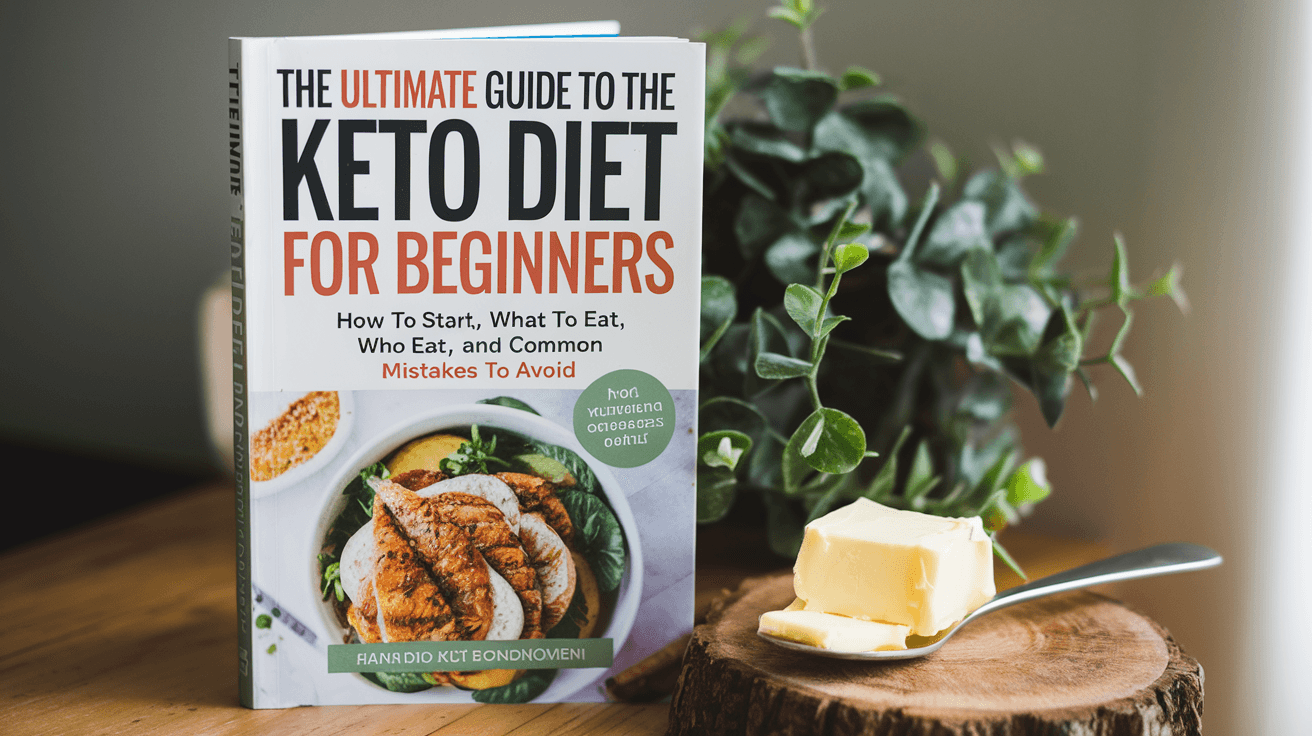
Ready to embark on your keto journey but feeling overwhelmed by all the technical terms? I’ve been there too—wandering the grocery aisles, eyeing avocados as if they held the secret to success. In this friendly, no-nonsense guide, we break down everything about the keto diet in plain English, making it easy for beginners to understand and implement, all while keeping the tone light and engaging.
What Is the Keto Diet? – A Beginner’s Guide to Ketosis Explained
The ketogenic diet, commonly known as keto, is a low-carb, high-fat, and moderate-protein eating strategy designed to shift your metabolism into a state called ketosis. In ketosis, your body burns fat instead of carbohydrates for energy by producing ketones. Think of it as upgrading from regular to premium fuel—only this premium fuel comes in the form of healthy fats. This approach typically requires consuming about 5–10% of calories from carbs, 20–25% from protein, and 70–75% from fats. Many beginners find that once they switch to burning fat, weight loss becomes much more efficient.
Why People Love the Keto Diet – Benefits for Weight Loss, Energy, and Focus
The keto diet offers more than just a trend—it provides tangible benefits such as rapid weight loss, sustained energy throughout the day, reduced cravings, and improved mental clarity. By utilizing stored glycogen quickly and transitioning to fat as a fuel source, many users experience fewer energy crashes and better focus. These advantages make keto a lifestyle choice that not only supports weight loss but also enhances overall well-being.
Keto Diet Foods: What to Eat and What to Avoid for Beginners
Here’s the part everyone wants to know: “Can I still eat pizza?” Sadly, not the doughy kind… but don’t panic—there are tons of tasty keto swaps.
✅ Keto-Approved Foods
- Meats (beef, chicken, pork, lamb)
- Fatty fish (salmon, mackerel, sardines)
- Eggs (nature’s multivitamin)
- Cheese and full-fat dairy
- Avocados (your new BFF)
- Nuts and seeds
- Low-carb veggies (broccoli, spinach, cauliflower)
- Healthy oils (olive, coconut, avocado)
❌ Foods to Avoid
- Bread, pasta, rice, cereal
- Sugary snacks and desserts
- Starchy veggies (potatoes, corn)
- Most fruits (except berries in moderation)
- Sugary drinks, soda, juice
Pro tip: Always check food labels. Hidden sugars and carbs lurk in the weirdest places—like ketchup or “healthy” granola bars. Sneaky little things.
How to Start the Keto Diet: A Step-by-Step Guide for Beginners
Okay, so you know what keto is and what to eat… but how do you start without wanting to cry into a loaf of bread? Here’s the roadmap.
Step 1: Calculate Your Keto Macros for Success
Use a keto calculator to find your daily carb/fat/protein targets. Aim for:
- 20–30g net carbs per day
- High healthy fats
- Moderate protein
Step 2: Purge Your Pantry of High-Carb Foods
Out with the carb-heavy stuff (pasta, chips, soda) and restock with keto-friendly foods. Trust me, it’s way easier when temptation isn’t lurking in your cabinets.
Step 3: Create Easy, Keto-Friendly Meal Plans
Start with easy meals like:
- Scrambled eggs with avocado
- Grilled chicken and roasted broccoli
- Bunless cheeseburgers with salad
Keep it simple at first so you don’t get overwhelmed.
Step 4: Combat Keto Flu – Hydrate and Replenish Electrolytes
During the first week, your body might be like, “Where are my carbs?!” and throw a little tantrum. Symptoms can include:
- Headaches
- Fatigue
- Brain fog
- Irritability (aka carb withdrawals)
Combat this by:
- Drinking tons of water
- Adding electrolytes (salt, magnesium, potassium)
- Eating enough fat (seriously—don’t skimp!)
It usually passes in a few days, and then you’ll start feeling like a keto superhero. 🦸
Beginner-Friendly Sample Keto Meal Plan: A Day of Delicious, Low-Carb Meals
Need a starting point? Here’s a simple one-day plan.
Breakfast:
Cheese omelet cooked in butter + spinach on the side
Lunch:
Grilled chicken salad with olive oil dressing and avocado slices
Snack:
Handful of almonds or a cheese stick
Dinner:
Salmon baked in olive oil + roasted zucchini
Dessert:
A few raspberries with whipped cream (unsweetened)
That’s it—no complicated recipes, no gourmet chef skills required. Just real food, real easy.
Avoid These Common Keto Pitfalls: Mistakes Beginners Often Make
Let’s be real: keto isn’t hard, but there are a few sneaky traps people fall into. Here’s what to watch out for.
- Eating too much protein: Excess protein can kick you out of ketosis. Keep it moderate.
- Forgetting electrolytes: Low carb = less water retention = fewer electrolytes. Replenish them!
- Going “low-fat” by mistake: This isn’t the time to fear fat. Embrace it.
- Not tracking carbs: Even a few hidden carbs can add up quickly.
- Expecting instant results: Fat-burning magic takes consistency. Be patient.
Been there, done that, learned the hard way. 🙃
Staying Motivated on the Keto Diet: Tips for Long-Term Success
Honestly? The first couple weeks are the hardest. After that, it’s smooth sailing—if you keep your mindset strong.
Motivation tips:
- Track your progress (photos, measurements, how your clothes fit)
- Try new keto recipes so you don’t get bored
- Find a buddy or online group for support
- Celebrate non-scale victories (hello, more energy!)
And remember, it’s not about perfection. One slip-up won’t ruin everything. Just get back on track and keep going.
Keto Diet FAQs: Answers to Your Beginner Questions
What is the keto diet and how does it work?
The keto diet is a low-carb, high-fat, moderate-protein eating plan that shifts your body into ketosis, burning fat for fuel instead of carbs. This happens by limiting carbs to about 5–10% of daily calories and increasing fat intake to roughly 70–75%.
What can a beginner eat on the keto diet?
Beginners should focus on meats, fatty fish, eggs, full-fat dairy, avocados, nuts, low-carb vegetables like broccoli and spinach, and healthy oils such as olive and coconut oil. Avoid bread, pasta, sugary snacks, and starchy vegetables.
How do I start the keto diet as a beginner?
Start by setting your macros (20–30g net carbs daily, high fat, moderate protein), cleaning out carb-heavy foods, planning simple meals, and preparing for the ‘keto flu’ by hydrating and replenishing electrolytes.
What are the common keto flu symptoms and how can I manage them?
Keto flu symptoms include headaches, fatigue, brain fog, and irritability during the first week. Manage these by drinking plenty of water, taking electrolytes like salt and magnesium, and eating enough fat to support energy.
How long does it take to see results on the keto diet?
Some people notice changes within the first week, but most see real fat loss after 2 to 4 weeks of consistent effort. Patience and adherence to macros are key.
Final Thoughts on the Keto Diet for Beginners: Start Your Journey Today
Keto isn’t just another fad—it’s a powerful way to fuel your body, burn fat, and boost your energy without living on rice cakes and sadness.
Sure, the first few days can be rough (RIP bread cravings), but once your body flips the fat-burning switch, it feels like unlocking cheat mode on your metabolism.
If you’re ready to give keto a try, start simple, stay consistent, and listen to your body. And hey, if you ever find yourself eating avocado straight from the shell while googling “can I eat bacon on keto”—welcome to the club. 😄
Now go crush it, keto warrior. 🥓💪