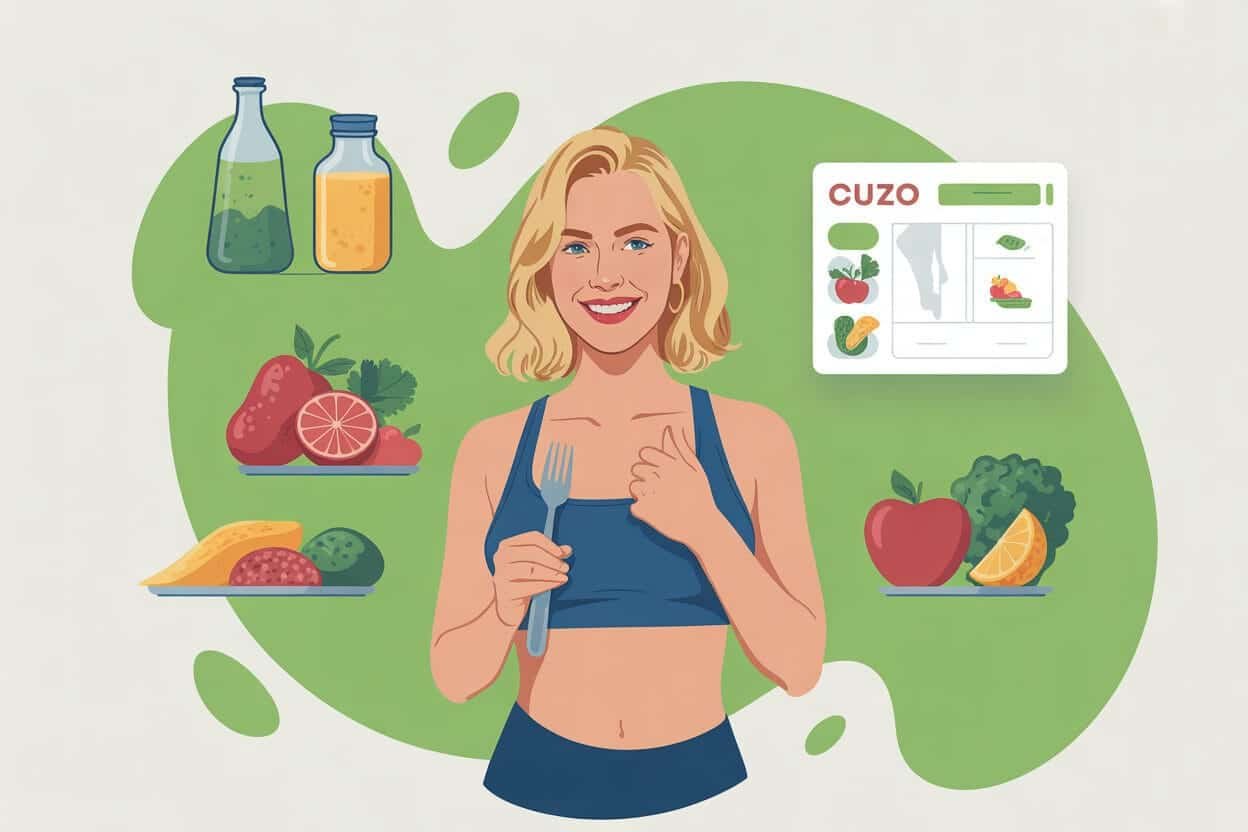
Let’s be honest: there’s no shortage of “one-size-fits-all” diet advice out there. Everywhere you look, someone is shouting about keto, paleo, vegan, intermittent fasting… the list goes on. But here’s the thing — you’re not a one-size-fits-all person. Your lifestyle, preferences, and body are unique, so shouldn’t your diet be, too?
That’s where a custom diet plan comes in. Instead of trying to squeeze into someone else’s idea of “the perfect diet,” you build one that actually works for you. No more eating foods you hate or feeling guilty for skipping a meal. Your diet, your rules — with a little strategy to make sure it gets results.
Why a Custom Diet Plan Beats Cookie-Cutter Diets

Ever followed a strict diet only to quit after two weeks because it was basically a nightmare? Been there, done that, got the carb cravings to prove it.
The biggest problem with generic diets is they ignore your real life. Maybe they require cooking six fancy meals a day when you barely have time to toast bread. Or maybe they tell you to cut out your favorite foods entirely (good luck with that).
A custom diet plan takes into account:
- Your personal goals (weight loss, muscle gain, better energy, etc.)
- Your schedule (because no one’s making gourmet lunches during back-to-back Zoom calls)
- Your food preferences (yes, even if you love pizza)
- Your budget (because not everyone can live on organic salmon and chia seeds)
When your diet fits your lifestyle instead of fighting it, you actually stick to it — and that’s when the magic happens.
Step 1: Know Your Goal (Be Specific!)
Saying “I want to eat healthier” is like saying “I want to travel somewhere.” Cool, but… where exactly?
Your custom diet plan should start with a specific, measurable goal. Ask yourself:
- Do I want to lose 10 pounds in the next three months?
- Do I want to build muscle for summer?
- Do I just want steady energy without the 3 PM crash?
The clearer your goal, the easier it is to choose the right foods and structure your meals.
Step 2: Figure Out Your Calorie & Macro Needs
Don’t worry — this isn’t a math exam. You can use any decent online calculator to figure out your daily calorie needs based on your age, weight, height, activity level, and goals.
Once you know your calories, break them down into macronutrients:
- Protein: Helps build and repair muscle, keeps you full.
- Carbs: Your body’s main energy source (yes, carbs are not the enemy).
- Fats: Supports hormone health and keeps meals satisfying.
Example: If your goal is fat loss, you might go higher on protein, moderate on fat, and moderate-to-low on carbs. For muscle gain, you’ll bump up both carbs and protein.
Step 3: Build a Food List You Actually Like
Here’s where a lot of diets fail — they load your plan with “healthy” foods you can barely choke down. IMO, eating chicken and broccoli every day is a quick path to hating life.
Instead, create a personalized food list with options you enjoy from each category:
- Proteins: chicken, eggs, Greek yogurt, lean beef, tofu, salmon
- Carbs: rice, oats, sweet potatoes, fruit, whole-grain bread
- Fats: avocado, nuts, olive oil, peanut butter, cheese
- Veggies: spinach, peppers, zucchini, broccoli, carrots
When you enjoy your food, sticking to your plan is 100x easier.
Step 4: Plan Your Meals (But Keep It Flexible)
A custom diet plan doesn’t have to be a military schedule where you eat at 7:03 AM sharp. Structure your meals in a way that fits your day:
- If you’re a breakfast person, make it protein-packed.
- If you prefer skipping breakfast, focus on balanced lunch and dinner.
- Keep healthy snacks ready for when hunger strikes.
Flexibility means you can swap meals around without “ruining” your diet. That’s how you make it sustainable for the long haul.
Step 5: Prep for Success
Ever notice how “hangry” decisions lead to pizza instead of salads? Yeah… been there.
Meal prep doesn’t mean spending your whole Sunday in the kitchen. It can be as simple as:
- Cooking a big batch of chicken or rice for the week.
- Pre-cutting veggies for quick stir-fries.
- Portioning snacks so you don’t eat the whole bag.
The point is to make the healthy choice the easiest choice.
Step 6: Track and Adjust
Your custom diet plan isn’t set in stone — it’s a living, breathing strategy. Track your progress every couple of weeks and adjust if needed.
If you’re not hitting your goal:
- Lower or raise calories depending on your progress.
- Swap certain foods if you’re feeling low energy or constantly hungry.
- Play around with meal timing to see what works best for you.
Think of it like fine-tuning a playlist — you keep adjusting until it feels perfect.
Extra Tips for Making Your Custom Diet Stick
- Don’t ban your favorite foods. Work them in occasionally so you don’t feel deprived.
- Stay hydrated. Water helps with energy, digestion, and hunger control.
- Listen to your body. If something makes you feel bloated or sluggish, adjust.
- Celebrate small wins. Every step forward counts.
My Personal Take on Custom Diet Plans
I’ve tried following strict diets before — and failed miserably. The turning point for me was when I started building my eating plan around foods I actually liked and could get easily. No special trips to obscure grocery stores, no forcing myself to choke down “superfoods” I couldn’t stand.
The result? I stuck with it for months, saw real progress, and actually enjoyed the process. I didn’t feel like I was “on a diet” — it was just how I ate.
Why This Approach Works Long-Term
Most diets fail because they feel temporary. But a custom diet plan works because it becomes part of your lifestyle. You’re not constantly fighting cravings or trying to stick to unrealistic rules.
Instead, you’re eating in a way that supports your goals, fits your schedule, and keeps you satisfied. That’s the recipe for results that actually last.
Final Thoughts
A custom diet plan is hands-down the smartest way to eat if you want lasting results without feeling miserable. It’s built around your preferences, your schedule, and your goals — not some random influencer’s idea of the “perfect diet.”
If you’re tired of starting over every few months, give yourself the gift of a plan that’s actually yours. Trust me, once you go custom, you’ll never go back to generic.
FAQ – Custom Diet Plan
Q: How is a custom diet plan different from a regular diet?
A: It’s designed specifically for your body, goals, and lifestyle, instead of following a generic set of rules.
Q: Do I need to count calories with a custom diet plan?
A: Not always. Some people track for precision, while others focus on portion sizes and food choices.
Q: Can I still eat my favorite foods?
A: Yes! The goal is to include them in moderation so you don’t feel restricted.
Q: How soon will I see results?
A: Most people notice changes within 3–4 weeks, depending on their starting point and consistency.
Q: Do I need supplements?
A: Not necessarily. Whole foods should be your priority, but supplements can help if you have specific nutrient gaps.