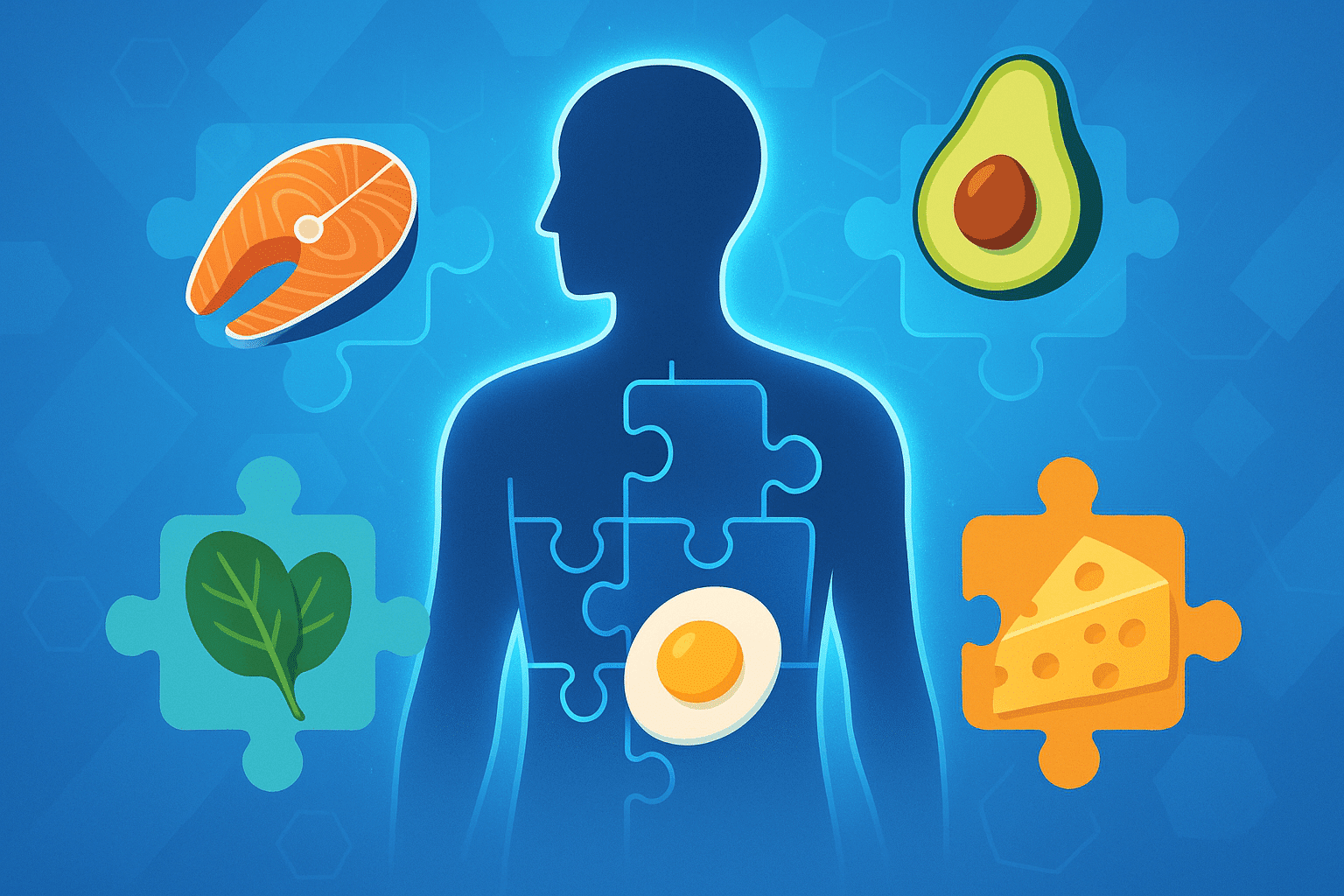
Discover how a custom keto diet can transform your health—not with one-size-fits-all rules, but with a plan tailored to your body, preferences, and goals. Whether you’re chasing weight loss, steady energy, or better blood sugar, this guide shows you how to build your perfect keto lifestyle—no guesswork needed.
What Is a Custom Keto Diet?
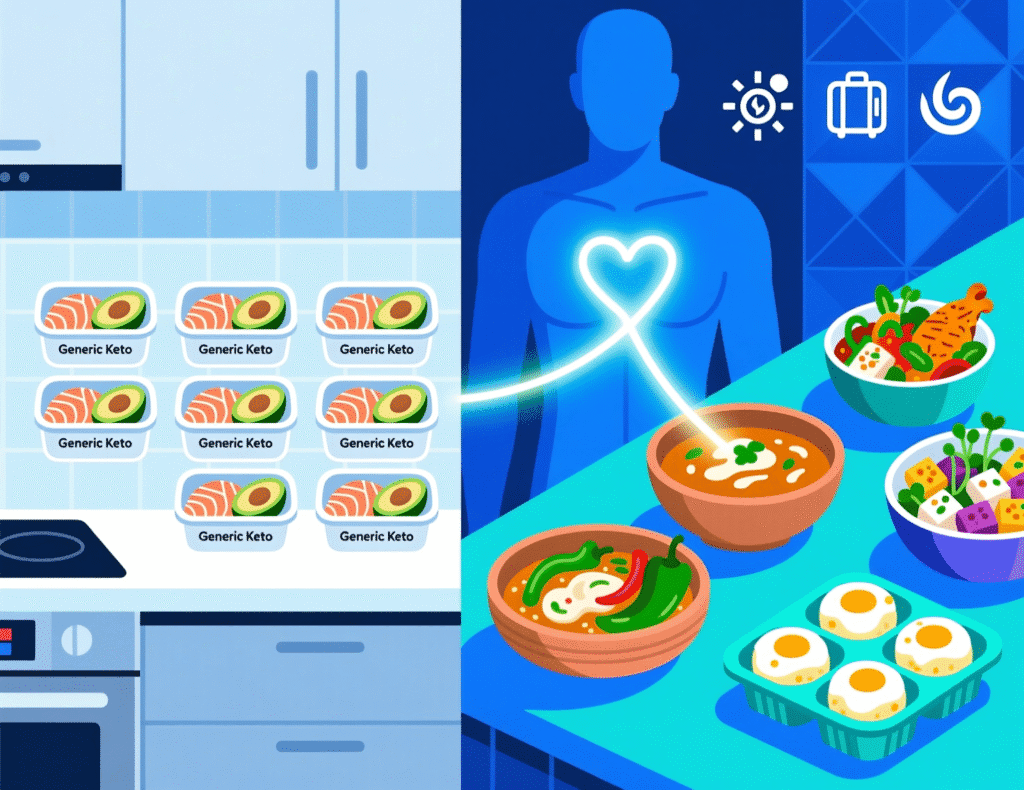
A custom keto diet goes way beyond generic meal plans you find online. Instead of following the same “eat this, not that” list as everyone else, you’re creating a personalized ketogenic diet plan that actually fits your life.
Here’s what makes it different: generic keto plans tell you to eat 70% fat, 25% protein, and 5% carbs—period. However, a custom approach considers your unique metabolism, activity level, food preferences, allergies, and specific health goals. Furthermore, it’s not just about hitting your macros. It’s about building a sustainable keto diet you can stick with for months or even years.
Think about it like this: a tall, active 25-year-old guy needs different amounts of protein and calories than a 50-year-old woman with a desk job. Therefore, personalizing your keto meal plan means you’re working with your body, not against it. The result? Better results, fewer side effects, and way less frustration.
Moreover, customization means you can account for real life. Maybe you hate avocados, can’t do dairy, or travel constantly for work. A tailored keto plan builds around these realities instead of forcing you into someone else’s template.
Benefits of a Custom Keto Diet

Why bother customizing when you could just follow a standard keto meal plan? Because the benefits are game-changing, especially if you’ve tried keto before and struggled.
Better Long-Term Adherence to Your Personalized Keto Diet
Let’s be honest—most diets fail because they’re too restrictive or boring. Nevertheless, when your keto diet plan matches your actual food preferences and lifestyle, you’re far more likely to stick with it. You’re not choking down foods you hate just because some influencer says they’re “keto-approved.”
Reduced Keto Flu and Side Effects
The dreaded keto flu hits hard when you jump into keto without proper planning. However, a customized approach helps you ease into ketosis while managing electrolytes, hydration, and meal timing. Consequently, you avoid the worst headaches, fatigue, and brain fog that make beginners quit in the first week.
Improved Energy and Mental Clarity
Once your body adapts to burning fat for fuel, the mental clarity is incredible. In addition, when your macros are dialed in for your specific needs, you maintain steady energy all day instead of crashing at 3 PM. No more relying on coffee just to function.
Targeted Results for Specific Conditions
Are you managing PCOS, insulin resistance, or prediabetes? A custom keto diet can be adjusted to support these specific health goals. For instance, someone with insulin resistance might benefit from slightly lower carbs and higher healthy fats compared to someone just looking for weight loss.
Flexibility for Food Intolerances
Can’t do dairy? Allergic to nuts? A personalized keto meal plan works around your restrictions. Instead of feeling left out when every recipe calls for almond flour or heavy cream, you get alternatives that actually work for your body.
How to Create Your Custom Keto Diet Plan
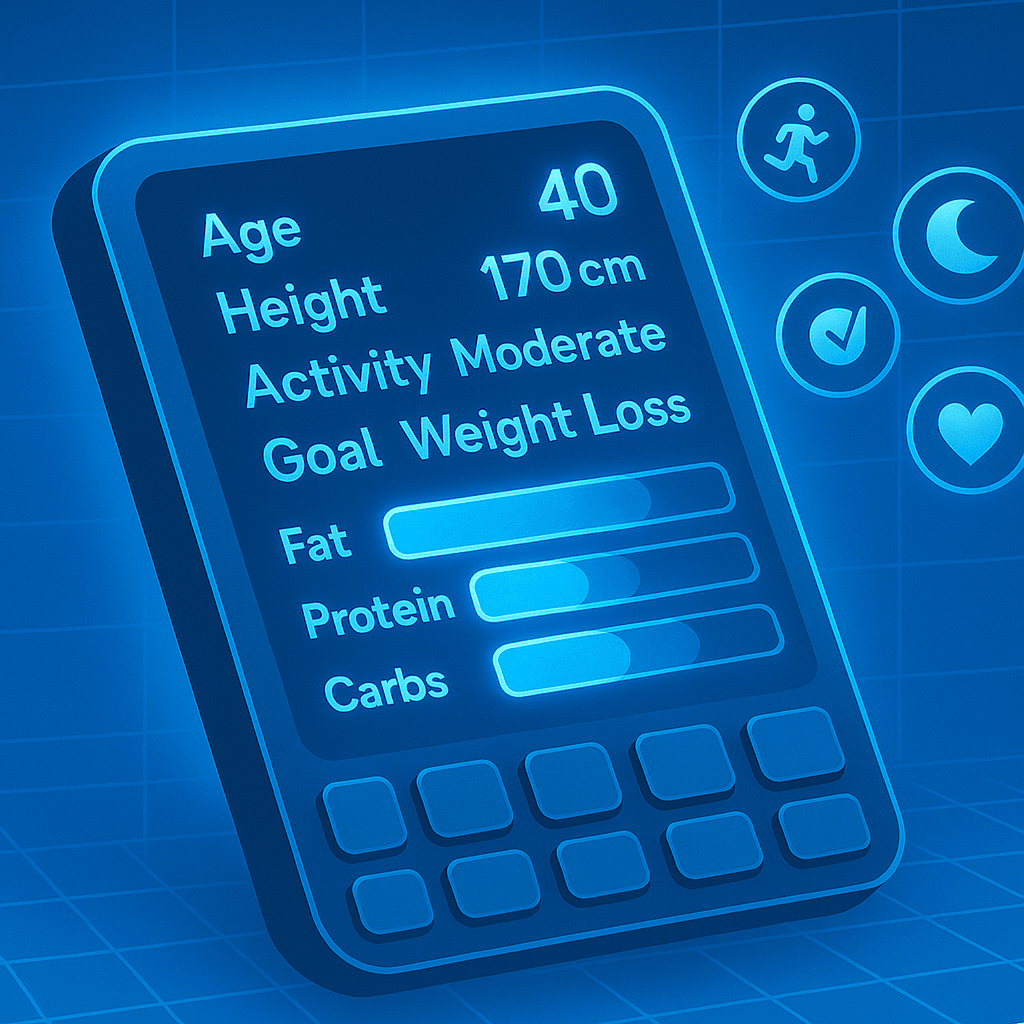
Ready to build your own tailored keto plan? Follow these six steps to create a sustainable ketogenic lifestyle that fits you perfectly.
Step 1: Assess Your Custom Keto Diet Goals
First, get crystal clear on what you want to achieve. Are you focused on weight loss, maintaining your current weight, or optimizing athletic performance? Each goal requires a different approach to your keto macros.
For weight loss, you’ll need a calorie deficit while staying in ketosis. Meanwhile, maintenance means eating at your baseline calorie needs. Athletes, on the other hand, might need cyclical keto or targeted carb intake around workouts.
Step 2: Calculate Your Personalized Macros
This is where the magic happens. You need to figure out your exact protein, fat, and net carbs targets. Don’t guess—use science.
Start by calculating your keto macros using a reliable calculator like the one at Ketogenic.com. These tools use the Mifflin-St Jeor equation to determine your basal metabolic rate (BMR) and total daily energy expenditure (TDEE).
Here’s what you’ll input:
- Your age, gender, height, and weight
- Activity level (sedentary to very active)
- Weight goal (lose, maintain, or gain)
- Body fat percentage if you know it
The calculator will provide your daily targets in grams. Typically, this looks like 20-30g net carbs, moderate protein (0.6-1g per pound of lean body mass), and the rest from healthy fats.
Step 3: Identify Your Food Preferences and Aversions
Make a list of foods you actually enjoy and ones you can’t stand. There’s no point building a meal plan around salmon if you hate fish. Similarly, if you love eggs, build breakfast around them.
Consider:
- Proteins you prefer (beef, chicken, fish, tofu)
- Vegetables you actually eat
- Healthy fats you enjoy
- Foods that trigger cravings or digestive issues
Step 4: Account for Your Lifestyle and Meal Planning Needs
Your keto diet plan has to fit your real life. Ask yourself:
- How much time do you have for meal prep?
- Do you eat out frequently?
- Do you travel for work?
- Are you cooking for a family or just yourself?
If you’re constantly on the go, your meal prep strategy needs to include grab-and-go options. Alternatively, if you love cooking, you can experiment with more complex recipes.
Step 5: Factor in Health Conditions
Do you have thyroid issues, diabetes, gut problems, or other health conditions? These matter. For example, someone with hypothyroidism might need to monitor calories more carefully since their metabolism runs slower.
Additionally, if you have digestive issues like IBS, you might need to limit certain keto foods like dairy or high-FODMAP vegetables. Always consult your doctor before starting any new diet, especially if you take medications.
Step 6: Choose Your Carb Threshold
Not everyone needs to stay at 20g net carbs. Some people maintain ketosis at 30g or even 50g daily, especially if they’re very active or have more muscle mass.
Start at 20g net carbs for the first few weeks to ensure you enter ketosis. Then, you can experiment with your personal carb edge—the highest amount you can eat while staying in ketosis. Use ketone test strips or a blood ketone meter to track your levels.
Top 5 Foods to Include in Your Custom Keto Diet

Building your best keto diet plan starts with choosing nutrient-dense, keto-friendly foods. Here are the top five categories to prioritize.
Fatty Fish
Salmon, mackerel, sardines, and anchovies are keto superstars. They’re loaded with omega-3 fatty acids that reduce inflammation and support brain health. Moreover, they provide high-quality protein without spiking your blood sugar.
Aim for wild-caught when possible. A 4-ounce serving of salmon gives you about 25g protein and 15g healthy fats with zero carbs.
Grass-Fed Meats and Eggs
Beef, pork, lamb, and eggs should be staples in your keto meal plan. Grass-fed meat contains more omega-3s and conjugated linoleic acid (CLA) compared to conventional meat.
Eggs are incredibly versatile—scrambled, fried, hard-boiled, or baked into keto recipes. One large egg has 6g protein, 5g fat, and less than 1g carbs. Furthermore, they’re packed with choline, which supports brain function.
Low-Carb Vegetables
Spinach, zucchini, broccoli, cauliflower, kale, and Brussels sprouts should fill your plate. These veggies provide fiber, vitamins, and minerals without breaking your carb budget.
For instance, a full cup of raw spinach has only 1g net carbs. Similarly, zucchini is perfect for making keto-friendly zucchini noodles to replace pasta.
Healthy Fats
Avocado, olive oil, coconut oil, and MCT oil are your fat sources. Avocados are particularly great because they’re high in fiber and potassium—both critical on keto.
One medium avocado provides about 15g fat, 9g fiber, and only 2g net carbs. Additionally, olive oil is perfect for salad dressings and low-heat cooking, while MCT oil can boost ketone production when added to coffee or smoothies.
Keto-Friendly Dairy
Full-fat Greek yogurt (unsweetened), hard cheeses like cheddar and parmesan, and butter are excellent choices if you tolerate dairy.
A quarter cup of shredded cheddar has 7g protein and 9g fat with 1g carbs. Just watch out for flavored yogurts and processed cheese products that sneak in hidden sugars.
Common Foods to Avoid (Even on a Custom Keto Diet)

Not all “low-carb” foods are created equal. Here’s what to skip, even when building a personalized keto diet plan.
Hidden Sugars
Sauces, ketchup, salad dressings, and flavored yogurts are loaded with added sugars. Even some “keto” branded snacks contain sugar alcohols that spike blood sugar in sensitive individuals.
Always read labels. Look for ingredients like maltodextrin, dextrose, and corn syrup—they’re all sugar in disguise.
Processed “Low-Carb” Bars and Shakes
Many protein bars and meal replacement shakes marketed as keto-friendly contain inflammatory oils and artificial ingredients. Moreover, they often trigger cravings instead of satisfying hunger.
Instead, make your own fat bombs or grab whole food options like cheese, nuts, or hard-boiled eggs.
Industrial Seed Oils
Soybean oil, canola oil, corn oil, and other industrial seed oils are high in inflammatory omega-6 fatty acids. These oils oxidize easily when heated, creating compounds linked to heart disease.
Stick with extra virgin olive oil, coconut oil, avocado oil, and grass-fed butter instead. Your body will thank you.
Gluten-Free Junk Food
Just because it’s gluten-free doesn’t mean it’s keto. Rice cakes, corn tortillas, and most gluten-free bread are still packed with carbs that’ll kick you out of ketosis.
Artificial Sweeteners That Trigger Cravings
While some sweeteners like stevia and erythritol work well for most people, others like aspartame and sucralose can trigger cravings or digestive issues. Additionally, even “safe” sweeteners can stall weight loss in some individuals by spiking insulin.
If you hit a plateau, try eliminating all sweeteners for a few weeks to see if it helps.
How to Track Your Custom Keto Diet Progress (Beyond the Scale)
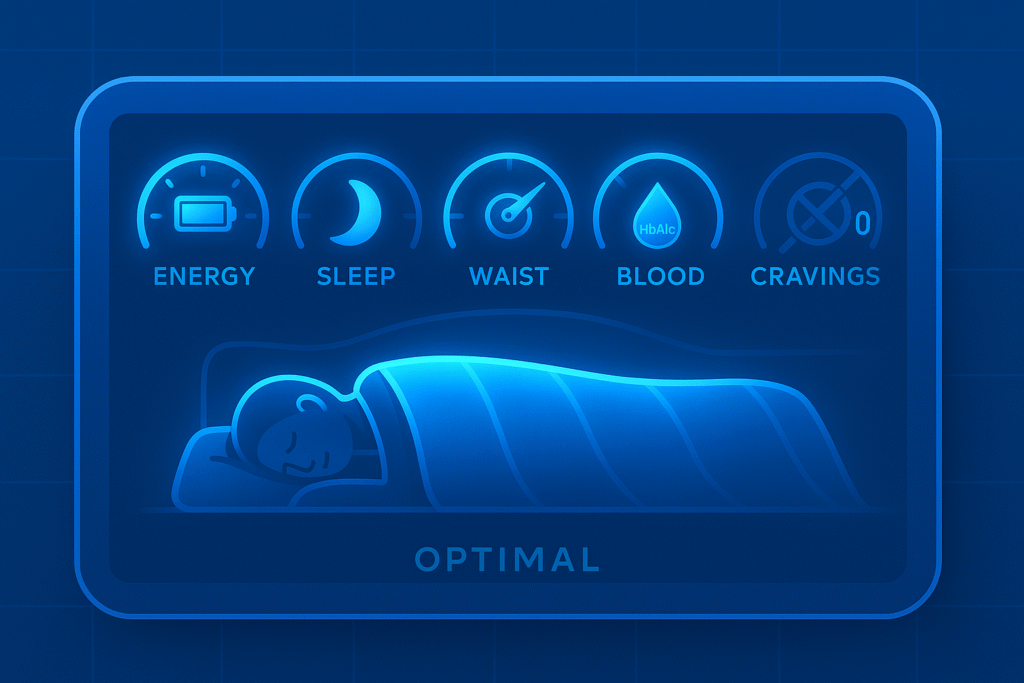
The scale doesn’t tell the whole story. Here’s how to measure your custom keto diet success in ways that actually matter.
Energy Levels and Mental Focus
Are you waking up refreshed without hitting snooze five times? Can you focus on tasks without constant coffee breaks? These are signs your body is efficiently burning fat for fuel.
Consequently, mental clarity is one of the biggest keto benefits. If your brain feels foggy, you might need to adjust your electrolytes or protein intake.
Sleep Quality
Many people report deeper, more restful sleep on keto. If you’re tossing and turning, check your magnesium intake. This mineral is crucial for relaxation and sleep quality.
Waist Measurement and Clothing Fit
Your waist circumference is a better indicator of fat loss than your weight. Muscle weighs more than fat, so you might be losing inches even if the scale isn’t budging.
Measure around your belly button once a week. Similarly, notice how your clothes fit. Are your jeans looser? That’s real progress.
Blood Markers
If you’re doing keto for health reasons, track these lab values with your doctor:
- HbA1c (average blood sugar over 3 months)
- Triglycerides (should decrease on keto)
- HDL cholesterol (the “good” kind—should increase)
- Fasting insulin
Improved numbers mean your custom keto diet is working at a metabolic level.
Hunger Control and Reduced Cravings
One of keto’s superpowers is appetite suppression. Once you’re fat-adapted, you should naturally feel less hungry between meals. Furthermore, those 3 PM sugar cravings should disappear.
If you’re constantly starving, you might not be eating enough fat or protein. Adjust your macros accordingly.
Mood and Emotional Stability
Stable blood sugar means stable mood. Without the glucose roller coaster, many people experience fewer mood swings, less anxiety, and better emotional regulation.
Meal Planning Made Simple: 3 Custom Keto Templates
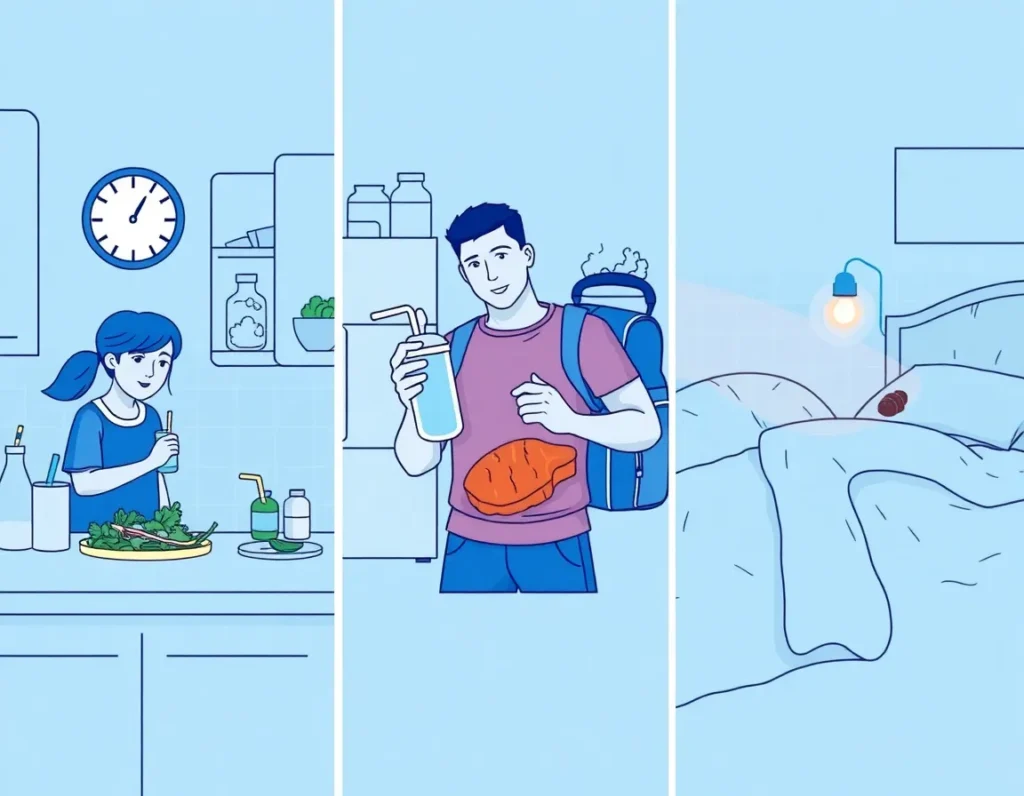
Not sure where to start? Here are three easy keto meal plans tailored to different lifestyles. Use these as starting points and adjust based on your needs.
Keto Meal Plan Template A: Busy Parent (Quick 15-Minute Meals)
Breakfast: Scrambled eggs with spinach and cheese (5 minutes)
Lunch: Rotisserie chicken salad with olive oil and avocado (10 minutes)
Dinner: Ground beef taco bowl with cauliflower rice, sour cream, and cheese (15 minutes)
Snacks: String cheese, handful of almonds, or pepperoni slices
This template prioritizes speed and simplicity. Batch cook proteins on Sunday and use pre-washed salad greens to save even more time.
Keto Meal Plan Template B: Active Athlete (Higher Protein + Moderate Fat)
Breakfast: 4-egg omelet with vegetables and a side of Greek yogurt (250 calories)
Lunch: Grilled chicken breast over mixed greens with olive oil, 2 hard-boiled eggs (400 calories)
Dinner: 8oz grass-fed steak with roasted broccoli and butter (550 calories)
Snacks: Protein shake with MCT oil, beef jerky
Athletes need more protein to support muscle recovery. This template provides around 130g protein daily while staying in ketosis. Additionally, time your carbs around workouts if doing targeted keto.
Low-Carb Meal Plan Template C: Evening Craver (Dessert-Friendly)
Breakfast: Keto coffee with MCT oil and butter (for those who prefer lighter mornings)
Lunch: Salmon salad with avocado and cucumbers
Dinner: Bunless burger with cheese, bacon, and a side salad
Dessert/Snack: Sugar-free dark chocolate, keto cheesecake fat bombs, or berries with whipped cream
This template saves more calories for evening, when cravings typically hit. Furthermore, having keto desserts planned prevents late-night pantry raids.
Overcoming Common Challenges on Your Personalized Keto Diet

Even with a custom keto diet, you’ll face obstacles. Here’s how to start keto correctly and troubleshoot common problems.
“I’m Always Hungry”
The Problem: You’re eating too little fat or protein, or your electrolytes are off.
The Fix: First, increase your fat intake. Add more butter, olive oil, or avocado to meals. Next, check your protein—you might need 20-30g more daily. Finally, ensure you’re getting enough sodium (3000-5000mg), potassium (3000-4000mg), and magnesium (300-400mg).
Additionally, drink bone broth or add pink Himalayan salt to your water. Electrolyte imbalances often masquerade as hunger.
“Keto Breath Is Annoying”
The Problem: Your body is producing acetone, a ketone that exits through your breath.
The Fix: Stay hydrated—drink at least 80oz of water daily. Moreover, chew fresh parsley after meals or use xylitol-based sugar-free gum. Brush your tongue along with your teeth. Furthermore, reduce protein slightly if your breath is particularly strong, as excess protein can worsen the issue.
The good news? Keto breath usually fades after a few weeks once you’re fully adapted.
“I Miss Carbs So Much”
The Problem: Carb cravings are normal in the first 2-3 weeks as your body adjusts.
The Fix: Introduce low-carb alternatives that satisfy texture cravings. Use cauliflower rice instead of regular rice, zucchini noodles instead of pasta, and almond flour for baking.
Additionally, make keto versions of your favorite comfort foods. Craving pizza? Try fathead dough. Want bread? Bake keto bread. The key is finding satisfying swaps instead of white-knuckling through cravings.
“I Hit a Plateau”
The Problem: Your body adapted, or you’re eating hidden carbs.
The Fix: First, recalculate your macros. If you’ve lost 15+ pounds, your calorie needs changed. Next, track everything you eat for a week to catch hidden carbs in sauces, nuts, or “keto” products.
Then, try intermittent fasting—eat within an 8-hour window and fast for 16 hours. This often breaks plateaus. Finally, vary your exercise routine. Your body adapts to the same workouts, so switch things up.
Tools and Resources to Support Your Custom Keto Diet Plan
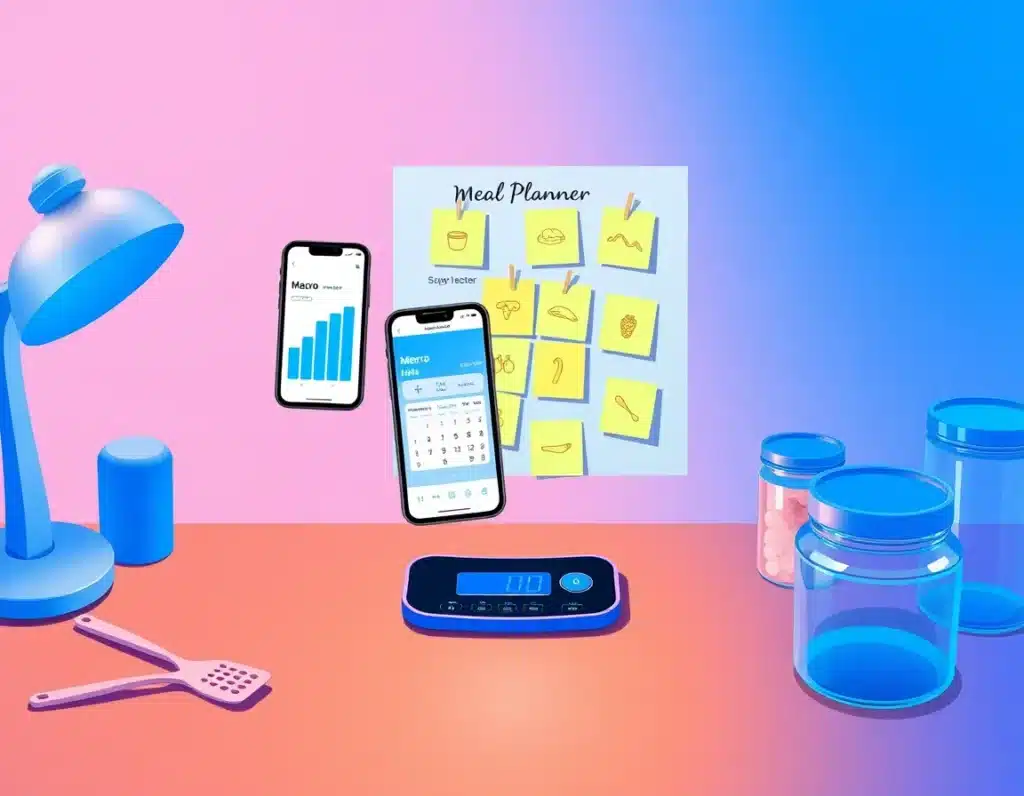
Building a successful custom keto diet is easier with the right tools. Here are the best free and paid resources.
Free Keto Macro Calculators for Your Custom Plan
- KetoDiet Buddy: Sophisticated calculator using validated formulas
- Cronometer: Track food and nutrients with extreme accuracy
- MyFitnessPal: Most popular tracking app with huge food database
These calculators take the guesswork out of determining your personalized keto macros.
Keto Diet Recipe Apps with Filters
- Yummly: Filter recipes by “keto” and save favorites
- TryLowCarb Meal Planner: Customized weekly meal plans that auto-adjust to your macros
Keto Shopping Lists for Beginners
Download printable keto shopping lists to simplify grocery trips. Focus on:
- Proteins: Eggs, chicken thighs, ground beef, salmon
- Fats: Avocados, olive oil, butter, cheese
- Vegetables: Spinach, broccoli, cauliflower, zucchini
- Pantry: Almond flour, coconut oil, MCT oil, stevia
Printable Keto Meal Planners
Create a weekly meal plan template and post it on your fridge. Plan dinners first, then use leftovers for lunch. This strategy saves money and reduces decision fatigue.
Affiliate-Recommended Tools
Having tested dozens of kitchen tools, here are the essentials:
- Digital kitchen scale: Accuracy matters for tracking macros
- Silicone spatulas: Heat-resistant and easy to clean
- Glass meal prep containers: BPA-free and microwave-safe
Consider checking out this custom plan if you want a done-for-you solution with personalized recipes and shopping lists.
Real-Life Custom Keto Diet Success Stories
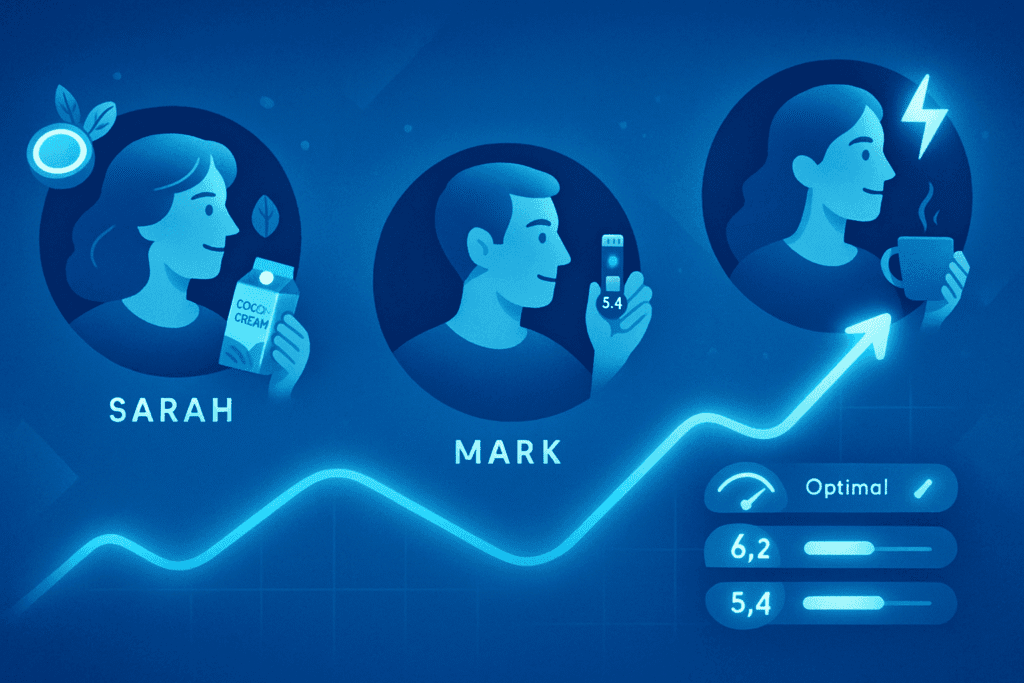
Don’t just take my word for it. Here’s how three people transformed their health with a personalized keto diet plan.
Sarah, 42: Lost 38 Pounds with a Dairy-Free Custom Keto Diet
Sarah couldn’t tolerate dairy, which made standard keto recipes impossible. After customizing her plan to use coconut cream instead of heavy cream and nutritional yeast instead of cheese, everything changed.
She lost 38 pounds over six months and finally got her energy back. Moreover, her skin cleared up and joint pain decreased significantly. “I thought keto wasn’t for me until I learned to customize it,” she says.
Mark, 56: Reversed Prediabetes with Personalized Keto Macros
Mark’s doctor warned him about prediabetes with an HbA1c of 6.2%. Instead of medication, he tried a custom keto diet calculated for his exact body composition and activity level.
After just 90 days, his HbA1c dropped to 5.4% (normal range). His triglycerides decreased by 45%, and he lost 22 pounds. “The personalized macro targets made all the difference. I wasn’t guessing anymore,” Mark explains.
Lena, 29: Fixed Energy Crashes with a Tailored Keto Plan
Lena felt exhausted every afternoon despite eating “keto.” The problem? She was eating too much protein and not enough fat for her body type and sedentary job.
After adjusting her ratios to 75% fat and 20% protein (instead of the standard 70-25 split), her energy stabilized. “I can finally make it through the day without needing a nap or four cups of coffee,” she reports.
Custom Keto Diet: Frequently Asked Questions

Can I do a custom keto diet if I’m vegetarian or vegan?
Absolutely. While it’s more challenging, vegetarian and vegan keto are possible with careful planning. Focus on plant-based fats like avocado, nuts, seeds, and coconut oil. Additionally, use tofu, tempeh, and low-carb protein powders to meet your protein needs. Supplement with B12, iron, and omega-3s since these can be harder to get from plant sources.
How do I adjust my keto plan when I’m sick or stressed?
When you’re sick, your body needs energy to heal. Therefore, don’t worry about a small calorie deficit—focus on maintaining ketosis with easy-to-digest foods like bone broth and scrambled eggs. Furthermore, prioritize sleep and hydration over exercise.
During stressful times, consider adding a few more calories from healthy fats to support your cortisol response. Stress can spike blood sugar, so staying in ketosis actually helps manage stress hormones.
Is it okay to eat keto long-term, or should I cycle carbs?
Research suggests that keto can be safe long-term for most healthy people. However, some individuals benefit from cyclical keto—eating higher carbs one day per week. This approach can support thyroid function and athletic performance.
Listen to your body. If you feel great after months on strict keto, continue. Alternatively, if energy dips or hormones get wonky, experiment with carb cycling under a doctor’s supervision.
What if I don’t like avocado or coconut oil—what are my fat alternatives?
No problem. Try olive oil, grass-fed butter, ghee, macadamia nut oil, or MCT oil. For whole food fats, eat more fatty fish like salmon, nuts like pecans and walnuts, or olives. Additionally, add more egg yolks and cheese if you tolerate dairy.
There’s no single “required” keto food. Build your personalized keto meal plan around fats you actually enjoy.
How do I handle social events or family dinners without cheating?
First, eat a small keto meal before arriving so you’re not starving. Next, scan the buffet for keto-friendly options—there’s almost always meat, cheese, vegetables, or salads. Moreover, bring a keto dish to share so you know there’s at least one safe option.
If someone asks why you’re not eating bread or dessert, simply say “I’m avoiding sugar” or “Carbs don’t agree with me.” You don’t owe anyone a detailed explanation of your custom keto diet.
Do I need to count calories on a custom keto diet?
Initially, yes. Tracking calories and macros for the first few weeks helps you understand portion sizes and ensures you’re hitting your targets. However, once you’re fat-adapted and know what proper portions look like, many people can maintain results without strict tracking.
That said, if weight loss stalls, return to tracking temporarily to identify the issue.
Can I drink alcohol and stay in ketosis?
Some alcohol is compatible with keto, but it’s tricky. Hard liquors like vodka, gin, and whiskey have zero carbs, but alcohol metabolism takes priority over fat burning. Consequently, you technically stay in ketosis, but fat loss pauses while your liver processes alcohol.
Wine and beer typically have too many carbs to fit most keto meal plans. If you do drink, stick to 1-2 servings of hard liquor with zero-carb mixers like soda water.
Why am I losing weight slower than others—even though I’m doing everything right?
Everyone’s metabolism is different. Factors like age, hormones, sleep quality, stress levels, and previous dieting history all affect weight loss speed. Furthermore, women typically lose weight slower than men due to hormonal differences.
Instead of comparing yourself to others, focus on your own progress markers—energy, mood, measurements, and how your clothes fit. Additionally, ensure you’re truly tracking accurately. Most people underestimate portions by 20-30%.
How do I know if I’m in ketosis without test strips?
Common signs include:
- Decreased appetite and longer periods between meals
- Sustained energy without crashes
- Mental clarity and focus
- Slightly fruity breath smell
- Increased urination in the first week
- Better sleep quality
While these signs suggest ketosis, testing with urine strips, breath meters, or blood ketone meters provides confirmation. Blood testing is most accurate.
Should I consult a doctor before starting a custom keto diet?
Yes, especially if you have diabetes, take medications, have a history of eating disorders, are pregnant or breastfeeding, or have kidney or liver disease. A personalized keto diet plan can interact with medications, particularly those for diabetes and blood pressure.
Your doctor can order baseline blood work to track improvements and adjust medications as needed. This ensures your ketogenic lifestyle supports your health safely.
Start Your Custom Keto Diet Journey Today
Creating a tailored keto plan isn’t complicated—it just requires understanding your body, goals, and preferences. By calculating personalized macros, choosing foods you actually enjoy, and tracking progress beyond the scale, you set yourself up for sustainable keto weight loss and improved health.
Remember, the best keto diet plan is one you can stick with long-term. Don’t force yourself into someone else’s template. Instead, use the strategies in this guide to build a custom keto diet that works for you.
Ready to get started? Calculate your macros, plan your first week of meals, and commit to tracking your progress. Your transformation starts with that first step. What’s holding you back from starting your personalized keto journey?


